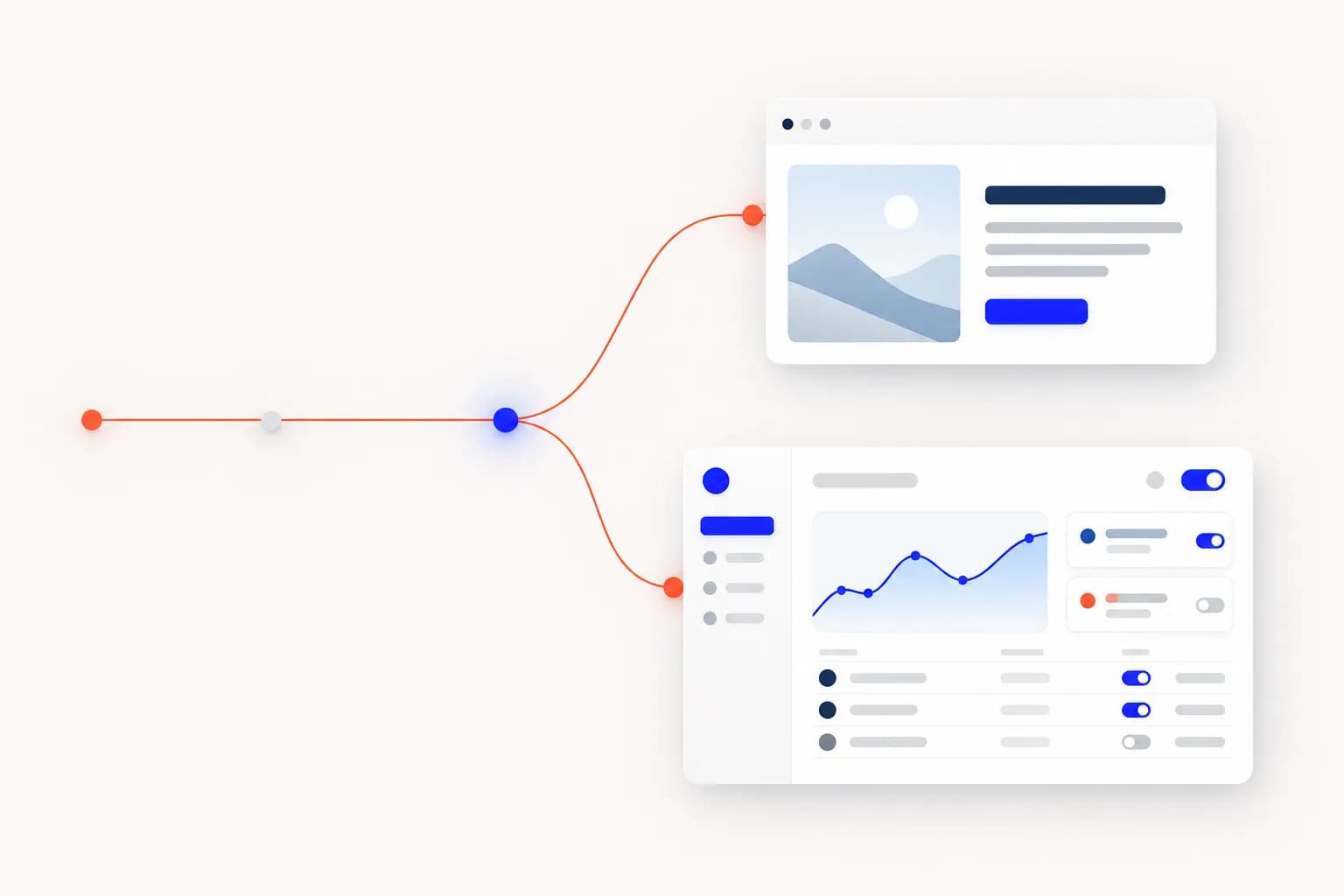
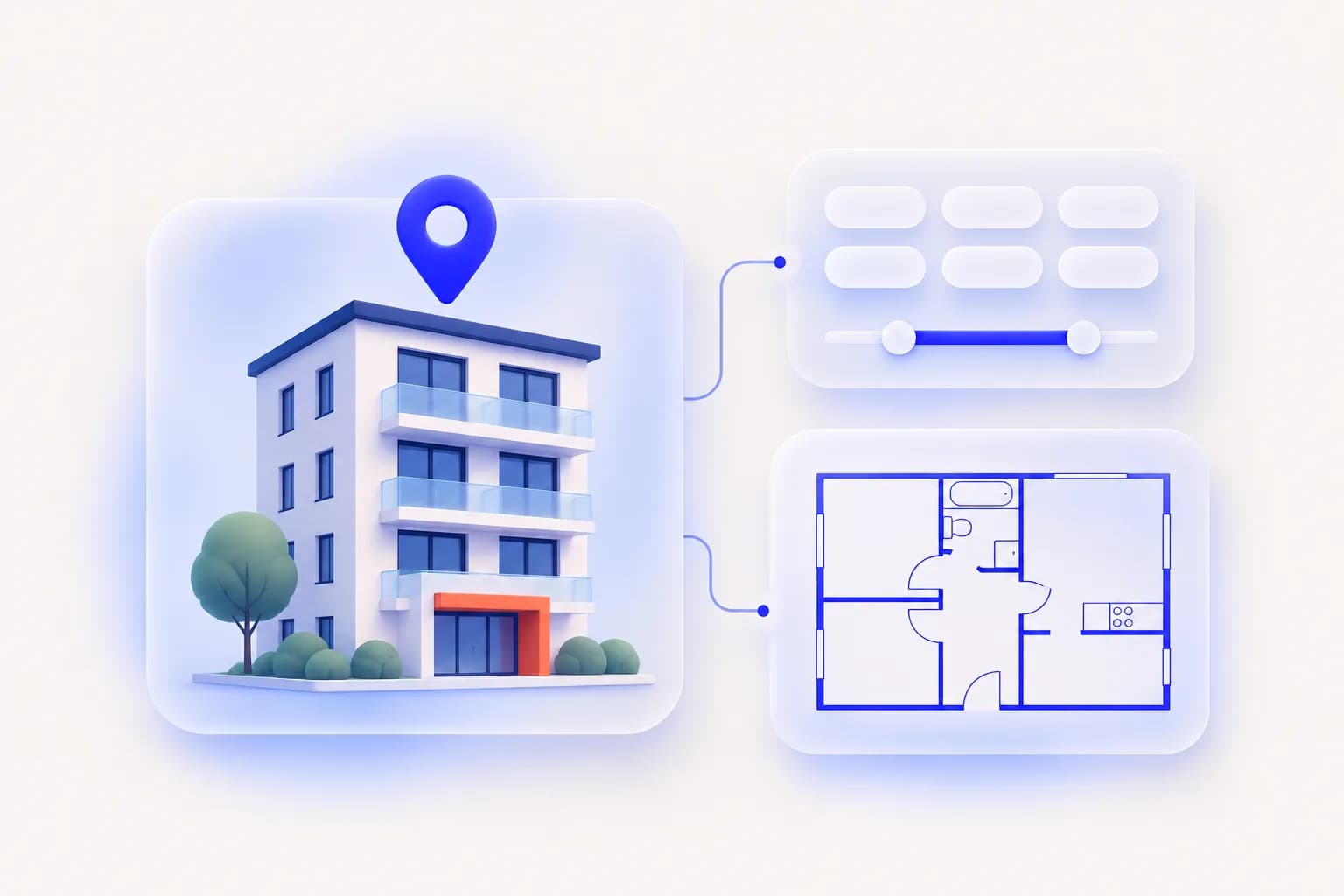
Most property websites in Bangladesh are built like brochures: a hero render, a few project photos and a phone number. That is enough to look established. It is not enough to sell a flat, because the questions buyers actually ask — how many units are left, what they cost, where exactly the site is, whether the papers are clean — are the ones a brochure leaves out.
This note covers what a developer's website should include, the order to build it in, and the details that decide whether an enquiry turns into a site visit. The running example is Mainamati Builders, a property search and project platform we built for apartments, flats and registered plots in Dhaka.
§ 01What buyers are really trying to find out
A buyer comparing projects is narrowing a list. Every page should help them rule a project in or out quickly, ideally without having to call anyone.
- Is it somewhere I can live or invest? The location down to the road, not just the area.
- Is it within my budget, once parking, utility connections and registration are added?
- What is actually available: which floors, which sizes, which facing?
- When will it be ready, and how far along is construction today?
- Are the documents in order: land ownership, approvals and, for plots, registration?
- Who is behind it, and what have they finished before?
§ 02Search that matches how people buy
Filters are the heart of a property site. They should mirror the way buyers already talk about property, not the way an internal spreadsheet happens to be organised.
| Filter | Why it matters | Watch out for |
|---|---|---|
| Property type | Apartments, commercial space and plots attract different buyers with different questions. | Don't bury plots inside an apartments list. |
| Area | Most buyers start from a neighbourhood they already know. | Use the names people search for, spelled the same way on every project. |
| Budget | The fastest way to narrow a long list. | Show a price or a range. “Call for price” on everything filters nobody. |
| Size | Square feet for apartments; katha or decimal for land. | Show the unit the buyer expects, and convert where it helps. |
| Bedrooms | Families shortlist by room count first. | Store counts as numbers so they can actually be filtered. |
| Status | Ready, under construction or upcoming changes the whole decision. | Update it when the project moves on, not once a year. |
Every filter needs data behind it, so the real work is in the listings: each project and each unit entered in the same structure. That structure is what lets a site answer “three bedrooms, under this budget, in this area” in one tap.
§ 03What a project page should hold
A project page is where a buyer decides whether to call. It should read like a well-organised file rather than an advert.
Project page checklist
A render sells a dream. A floor plan, a price and a handover date sell a flat.
Plots need their own page
Registered plots are bought on paperwork and position: plot size, the width of the road in front, block and plot number, registration and mutation status, and how utilities reach the land. A plot page that reuses the apartment template, with the bedroom fields left blank, tells a land buyer the developer wasn't thinking about them.
§ 04Trust is part of the product
Property is the largest purchase most families make, and buyers are cautious for good reason. The website is often the first place they check whether a developer is real and established.
- Completed projects with addresses, so a buyer can go and look at them.
- Company details: the registered name, an office address and phone numbers that are answered.
- Memberships and approvals, such as REHAB membership if you have it, stated plainly.
- Real photos of each site today, alongside the renders.
- Clear contact routes on every page: phone, WhatsApp and a short enquiry form.
§ 05Make the next step small
Few buyers commit on a first visit. The website's job is a small next step: a question on WhatsApp, a call back, or a booked site visit.
- 01Ask for littleA name, a phone number and the project they are asking about is enough. Every extra field loses people.
- 02Say what happens next“We'll call you within one working day” beats a form that simply goes quiet after the button.
- 03Send it where someone looksRoute enquiries to an inbox or WhatsApp number the sales team actually watches, and record which project each one came from.
- 04Reply with specificsSend the floor plan, price and a visit slot for the unit they asked about, not a general company profile.
§ 06What to build first
01
First release
- Project list with status
- Search by type, area, budget and size
- Project pages with units, plans and location
- Enquiry form and WhatsApp on every page
- An admin to add projects and update availability
02
Later
- Saved shortlists and side-by-side comparison
- Construction updates by email
- A customer portal for instalments and documents
- Full Bangla and English versions of every page
- Connection to a CRM or sales sheet
The admin matters as much as the public pages. If marking a unit as sold needs a developer and a deployment, it won't happen, and a site that shows sold units as available loses trust quickly. That is why Mainamati Builders was built as a content platform: projects, properties and service information live in an editable system rather than in the code, so search, project discovery and detail pages stay in one up-to-date flow.
§ 07Questions to ask before you hire someone
- 01Can our team add a project, a unit and a floor plan without calling you?
- 02Will the filters work on a phone with a slow connection?
- 03Can we show exact prices, ranges or “on request”, and change that per project?
- 04Can plots and apartments have different page layouts?
- 05How will enquiries reach us, and will we see which project each came from?
- 06Whose name will the domain, hosting and content be in once the site is live?